
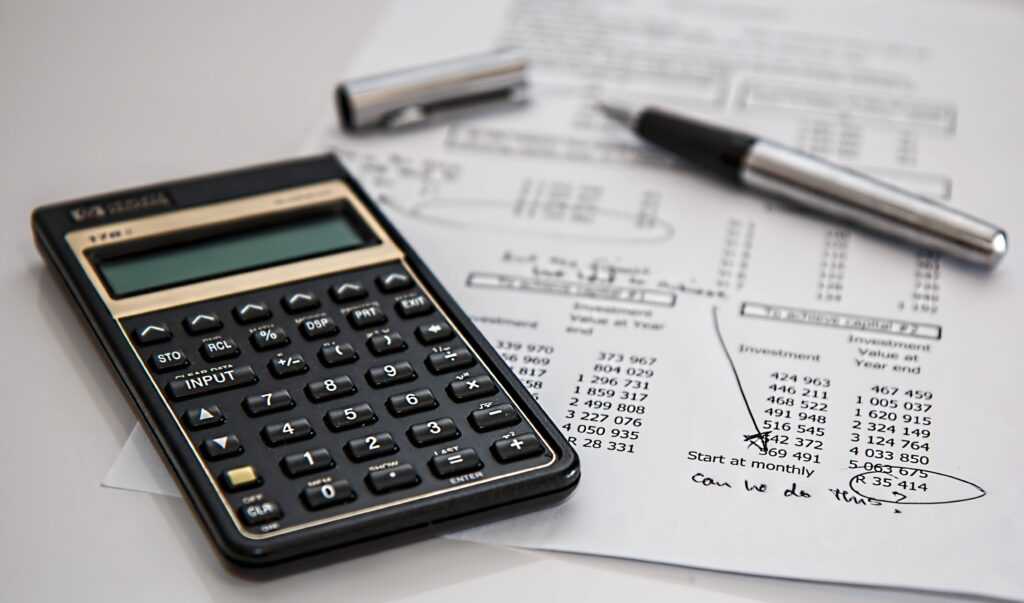
Taking out a loan means committing to regular payments over an agreed period. Although the monthly installment may seem manageable at first, keeping up with payments can become challenging when income arrives at different times or unexpected financial needs arise. Without a clear repayment plan, borrowers may struggle to cover installments as due dates approach.
A clear budget can make monthly loan repayments easier to manage and reduce financial stress. It helps borrowers approach their obligations with more confidence instead of worrying about each upcoming payment. By developing a realistic plan early, borrowers can also maintain financial stability throughout the repayment period.
Arrange Your Installment Due Dates Around Payday
Loan repayment dates do not always match a borrower’s payday schedule. For example, someone who gets paid on the 15th may struggle to cover an installment due on the 12th. Borrowers can reduce this risk by reviewing payment schedules and asking lenders to align due dates more closely with payday. This can help ensure sufficient funds are available when payments are due.
Some lenders also offer flexible repayment options that help borrowers manage their monthly obligations. For example, a CreditNinja loan offers repayment terms that let eligible borrowers, including those with low credit scores, spread payments over a longer period. Depending on the loan terms, these arrangements can make installments easier to fit into a monthly budget. Borrowers should review the available repayment options and confirm any approved changes before adjusting their budgets.
Automate Your Installments Without Losing Payment Control
Remembering to make loan payments every month can be difficult, especially when borrowers have several financial obligations to manage. One way to avoid missing due dates is to set up automatic payments through the lender or a linked bank account. This arrangement automatically withdraws the required installment amount on a scheduled date. It also eliminates the need to process payments manually each month.
Automatic payments still require regular monitoring to avoid issues. Borrowers should review their account balances a few days before each scheduled withdrawal to ensure sufficient funds are available. Insufficient funds may cause a payment to fail and lead to additional fees, depending on the lender’s policies. They should also review payment confirmations and bank statements to verify that each installment was processed successfully.
Build a One-Month Buffer For Loan Payments
Even a well-organized repayment schedule can be disrupted when income arrives late, or an unexpected expense arises. One way to prepare is to gradually build a reserve equal to one monthly installment. This money serves as a backup for periods when borrowers cannot immediately cover their scheduled payments.
For example, someone with a $250 monthly installment could set aside an additional $25 each month. After ten months, the reserve would reach $250, assuming no withdrawals. The amount can be adjusted according to what the borrower can comfortably afford, and required installments should always come first. Once the reserve is used, small regular contributions can help restore it for future needs.
Keep Your Repayment Money In A Separate Account
Setting aside money for loan installments is easier when you keep those funds separate from everyday spending. When all your money stays in one account, you may accidentally spend funds meant for upcoming payments. A separate bank account can help avoid this issue by keeping repayment funds set aside until the due date. It also makes it easier to track the amount available for the next installment.
Borrowers can transfer a fixed amount into this account every payday. For example, someone with a $300 monthly installment who gets paid twice a month can deposit $150 from each paycheck. This approach lets borrowers gradually prepare for payments rather than set aside the full amount at once. Before opening a separate account, they should also check for maintenance fees or minimum balance requirements that could add unnecessary costs.
Create A Monthly Calendar For Loan Repayments
Even with suitable due dates, managing several installments requires a dependable way to track upcoming payments. A monthly repayment calendar lists each installment’s due date and the amount you need to set aside. This can be especially useful for borrowers whose loans follow different schedules.
A smartphone calendar, a budgeting app, or a simple spreadsheet can serve this purpose. Borrowers can track payment amounts and due dates, with reminders set a few days ahead. After submitting a payment, they should verify that the lender received it before marking the installment as paid. This helps prevent an unsuccessful or pending transaction from being mistaken for a completed payment.
Build A Reliable Monthly Loan Repayment Routine
Monthly loan repayments become easier to manage when borrowers know exactly how much they owe and prepare for each payment in advance. Splitting installments across paychecks and keeping repayment money separate can make the process easier to manage. Payment calendars and automatic withdrawals can also help borrowers stay organized and avoid missed deadlines.
A small repayment reserve provides additional support when income or financial circumstances change unexpectedly. With a consistent routine and regular budget reviews, borrowers can meet their monthly obligations more confidently and keep their repayment plan on track.

 Cameron S. writes the kind of financial planning essentials content that people actually send to each other. Not because it's flashy or controversial, but because it's the sort of thing where you read it and immediately think of three people who need to see it. Cameron has a talent for identifying the questions that a lot of people have but haven't quite figured out how to articulate yet — and then answering them properly.
They covers a lot of ground: Financial Planning Essentials, Expert Financial Insights, Debt Reduction Strategies, and plenty of adjacent territory that doesn't always get treated with the same seriousness. The consistency across all of it is a certain kind of respect for the reader. Cameron doesn't assume people are stupid, and they doesn't assume they know everything either. They writes for someone who is genuinely trying to figure something out — because that's usually who's actually reading. That assumption shapes everything from how they structures an explanation to how much background they includes before getting to the point.
Beyond the practical stuff, there's something in Cameron's writing that reflects a real investment in the subject — not performed enthusiasm, but the kind of sustained interest that produces insight over time. They has been paying attention to financial planning essentials long enough that they notices things a more casual observer would miss. That depth shows up in the work in ways that are hard to fake.