
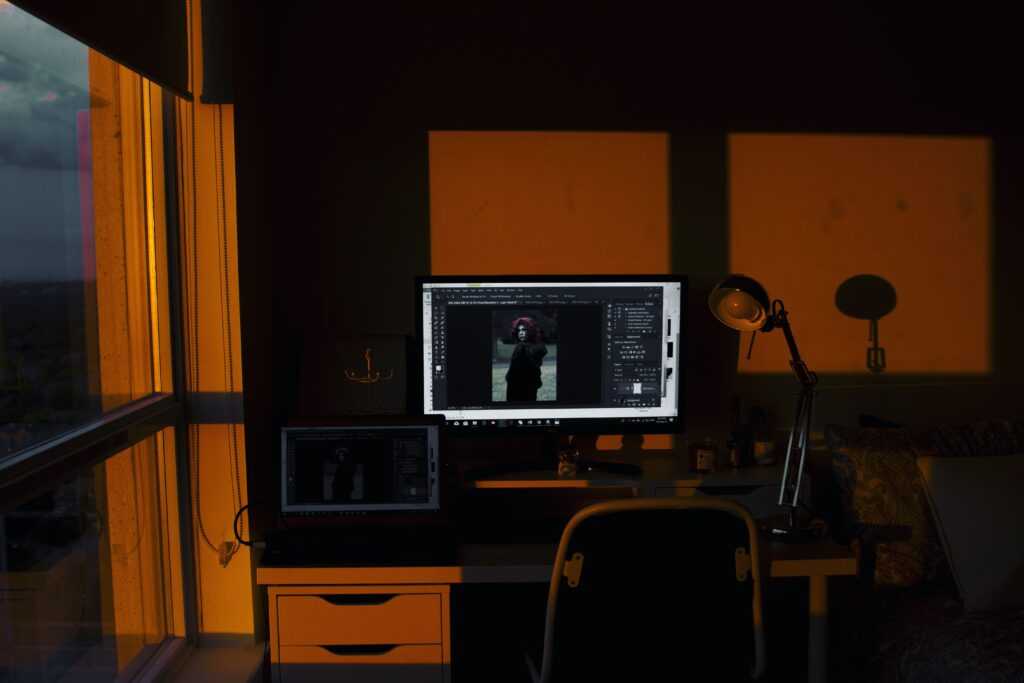
Let’s be real. Photo editing’s always been kind of a pain. AI has totally flipped how you create and tweak digital images, though. Old-school editing? You had to know layers. Masks. Selections. Filters. And a pile of other technical controls. Exhausting, right? Modern AI-powered tools make a lot of that way simpler. You just describe the change you want. In plain, everyday words. No rebuilding an image by hand. Just hand over a reference photo. Then explain what should change. Easy.
And yeah, this is getting super useful for tons of people. Photographers. Designers. Content creators. Marketers. Educators. Or just you, trying to make or polish some visuals.
What Is AI-Powered Photo Editing?
So what’s AI photo editing, really? It uses machine-learning models to understand your image. Then it makes tweaks based on your instructions. Or its own automatic analysis. Depending on the tool, you can do a lot. Remove unwanted objects. Swap backgrounds. Stretch an image past its original edges. Bump up the resolution. Or change stuff like lighting and color.
Some systems can make images from scratch, too. You write a description, and boom, a brand-new visual. Others stick to image-to-image editing. Where your existing photo is the starting point.
Here’s why that difference matters. Making an image from scratch gives you way more freedom. But editing a reference image? That helps you keep recognizable subjects, layouts, and other visual stuff intact.
How Natural-Language Image Editing Works
Natural-language editing means you just describe the change. No doing every adjustment yourself. Picture this. You upload a photo of a room. Then you ask for some distracting object to be removed. But the furniture and lighting stay exactly the same. Done.
The AI reads your instruction. Figures out which parts of the image matter. Then cranks out a revised version. Fancier systems get even smarter, too. They understand how objects relate to each other. Lighting. Perspective. And composition.
Checking out modern AI workflows? A Nano Banana 2.5 photo editing tool is one example of this bigger shift. Toward prompt-based visual creation and editing. But here’s the thing. The point isn’t just making a pretty image. It’s giving the system enough context. So it knows what should change. And what should stay put.
The Importance of Specific Prompts
How good your AI edit turns out? That often comes down to how clearly you write your request. Something vague like “make this picture better” gives the system way too much freedom. Not much to work with, right? You might get changes you never wanted.
A sharper instruction works way better. Point out the target. Where it is. What change you want. And which important stuff should stay the same. For example, don’t just ask for a general improvement. Ask to remove an object from the left side of a table instead. While keeping the table edge, nearby objects, perspective, and lighting untouched.
That makes the result way easier for you to judge. And it cuts down the chance of random areas getting changed. Win-win.
Common Applications of AI Image Editing
AI photo editing pops up in tons of places. E-commerce businesses can use it to clean up product backgrounds. Or prep photos for different layouts. Social media creators can take one image and adapt it for different aspect ratios and platforms. Handy, right?
Photographers might use AI to clear out distractions. Fix small areas. Or play around with different backgrounds. Designers can use generated visuals to test early ideas. Before building the final composition by hand.
Education’s another spot where it shines. Teachers and students can whip up diagrams. Illustrations. Presentation graphics. Visual examples. All without needing serious design skills.
Does this mean you can switch your brain off? Nope. Not even close. It just moves some of the boring, repetitive editing work. Away from manual controls. And toward writing instructions and checking results.
Image Expansion and Background Modification
One seriously handy trick in modern AI editors? Image expansion. Say you shot a photo horizontally. But now you need a vertical version for a mobile platform. Instead of just chopping off the sides, an AI system can create extra background. Stuff that tries to match the original scene. Pretty cool.
Background replacement works kind of the same way. The system separates your main subject from its surroundings. Then it creates or drops in a whole new environment.
These tricks can save you loads of time. But always check the generated areas carefully, though. AI might sneak in textures that don’t match. Warped objects. Or details that were never in your original image. Sneaky little mistakes. Don’t just trust it and move on.
Maintaining Identity and Important Details
Here’s where it gets tricky. Reference-based editing gets harder when your image has someone’s face. A recognizable product. Text. Or a specific design. Small changes can mess with identity. Or accuracy.
For example, maybe your product photo needs a new background. But the product’s shape, label, and dimensions have to stay exactly the same. Same with a portrait. You might want better lighting. Without changing the person’s recognizable facial features.
Clear “keep this the same” instructions help. But they won’t guarantee perfect results. So compare the edited image with your original. And check the important details before you publish anything. Trust me, it’s worth the extra minute.
Why Human Review Still Matters
AI image editing’s powerful, sure. But don’t assume the results are automatically accurate. Nope. Models can misread your instructions. Change stuff outside the area you asked about. Or create realistic-looking bits that are just plain wrong. That’s where it gets shady.
This matters big time for commercial products. Educational materials. News-related images. And photos with important text. You still need a human eye to decide one thing. Does the final image actually meet what you needed?
Oh, and keep your original image. Save each editing attempt separately, too. That makes the whole thing way easier to manage. If an edit brings in unwanted changes? Going back to the original usually works way better. Better than editing an already messed-up version over and over. Saves you a world of pain.
The Future of AI Image Editing
So where’s AI photo editing headed? Toward more conversational workflows. Ones that actually get the context. You won’t need to learn every single editing function. More and more, you’ll just describe your visual goal. Then let the software figure out what to do.
The tech will probably stay a mix of automation and human direction. AI can handle the repetitive stuff. And spit out alternatives fast. But you’re still the one calling the shots. You decide what looks right. What info’s accurate. And whether an image actually fits what it’s meant for.
As these tools keep growing, a few skills will matter just as much as old-school editing know-how. Writing precise instructions. Keeping important details safe. And checking generated results carefully. Get those down, and you’re set.

 There is a specific skill involved in explaining something clearly — one that is completely separate from actually knowing the subject. Josephinia McDonaldores has both. They has spent years working with debt reduction strategies in a hands-on capacity, and an equal amount of time figuring out how to translate that experience into writing that people with different backgrounds can actually absorb and use.
Josephinia tends to approach complex subjects — Debt Reduction Strategies, Budgeting Tips and Strategies, Expense Tracking Tools being good examples — by starting with what the reader already knows, then building outward from there rather than dropping them in the deep end. It sounds like a small thing. In practice it makes a significant difference in whether someone finishes the article or abandons it halfway through. They is also good at knowing when to stop — a surprisingly underrated skill. Some writers bury useful information under so many caveats and qualifications that the point disappears. Josephinia knows where the point is and gets there without too many detours.
The practical effect of all this is that people who read Josephinia's work tend to come away actually capable of doing something with it. Not just vaguely informed — actually capable. For a writer working in debt reduction strategies, that is probably the best possible outcome, and it's the standard Josephinia holds they's own work to.
There is a specific skill involved in explaining something clearly — one that is completely separate from actually knowing the subject. Josephinia McDonaldores has both. They has spent years working with debt reduction strategies in a hands-on capacity, and an equal amount of time figuring out how to translate that experience into writing that people with different backgrounds can actually absorb and use.
Josephinia tends to approach complex subjects — Debt Reduction Strategies, Budgeting Tips and Strategies, Expense Tracking Tools being good examples — by starting with what the reader already knows, then building outward from there rather than dropping them in the deep end. It sounds like a small thing. In practice it makes a significant difference in whether someone finishes the article or abandons it halfway through. They is also good at knowing when to stop — a surprisingly underrated skill. Some writers bury useful information under so many caveats and qualifications that the point disappears. Josephinia knows where the point is and gets there without too many detours.
The practical effect of all this is that people who read Josephinia's work tend to come away actually capable of doing something with it. Not just vaguely informed — actually capable. For a writer working in debt reduction strategies, that is probably the best possible outcome, and it's the standard Josephinia holds they's own work to.